Nikkei Cuisine: Japanese-Peruvian Food in Lima

Content
- Historical Background of Japanese Immigration to Peru
- Adaptation of Traditional Japanese Recipes to Peruvian Ingredients
- Flavor Profiles and Culinary Techniques
- Essential Ingredients in Nikkei Dishes
- The Role of Japanese and Peruvian Elements in Fusion
- Iconic Dishes: Ceviche Nikkei and Tiradito
- Nikkei Cuisine NYC: Popular Restaurants and Culinary Scene
- The International Expansion of Nikkei Cuisine [TABLE]
Nikkei cuisine represents an exciting fusion of Japanese and Peruvian culinary traditions, born from the waves of Japanese immigration to Peru in the late 19th century. This unique culinary style showcases the vibrant flavors and techniques of both cultures, reflecting a harmonious blend of tastes and ingredients.
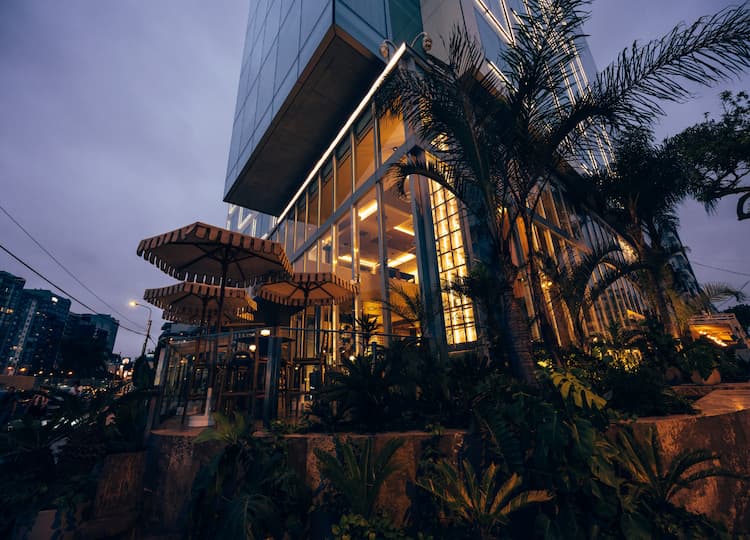
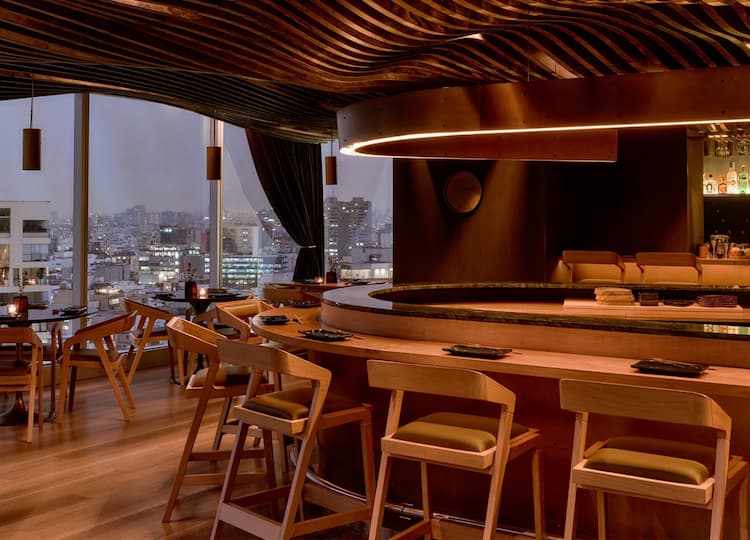
In cities like Lima, often celebrated as the capital of Nikkei cuisine, dishes such as ceviche Nikkei and tiradito have gained international acclaim. A must-visit destination to experience these flavors is the KIMO restaurant at Souma Hotel Lima, where culinary enthusiasts can indulge in the best of Nikkei fare.
Origins and Evolution of Nikkei Cuisine
Historical Background of Japanese Immigration to Peru
Nikkei cuisine is deeply rooted in the historical migration of Japanese nationals to Peru, which began in the late 19th century. Seeking better opportunities, a significant number of Japanese immigrants arrived in Peru between 1890 and 1920. This immigration wave marked the beginning of a cross-cultural exchange that would give rise to a unique culinary tradition. The new arrivals brought with them a rich tapestry of Japanese culinary practices, but their assimilation into Peruvian society required them to adapt their cooking methods and ingredients to a different landscape.
As immigrants settled primarily in coastal areas, particularly in Lima, they faced challenges sourcing traditional ingredients. This led to the creative fusion that characterizes Nikkei cuisine today. Many Japanese immigrants found employment in agriculture, which allowed them to develop new relationships with local produce. Ultimately, the blending of these two cultures would lead to a dynamic food scene that reflects the history and resilience of its people.
Adaptation of Traditional Japanese Recipes to Peruvian Ingredients
The adaptation process was essential for the evolution of Nikkei cuisine. Japanese chefs began to incorporate local ingredients, leading to innovative dishes that maintained the elegant presentation and flavors of Japanese cooking while embracing the boldness of Peruvian ingredients. For instance, traditional sushi rice was combined with local seafood, tropical fruits, and native spices. The use of ingredients like aji amarillo, cilantro, and leche de tigre exemplifies how these chefs transformed classic Japanese recipes into something distinctly Peruvian yet rooted in their cultural heritage.
This culinary fusion did not go unnoticed, and it eventually made its way beyond Peru. In cities like New York, where the culinary scene is vibrant and eclectic, Nikkei cuisine has become increasingly popular. Many are eager to explore dishes such as ceviche Nikkei and tiradito, which showcase the successful melding of Japanese precision and Peruvian flair. The evolution of Nikkei cuisine continues to inspire chefs and food enthusiasts across the globe, paving the way for a richer culinary dialogue.
Distinctive Features of Nikkei Cuisine
Nikkei cuisine stands out for its exquisite fusion of Japanese and Peruvian culinary traditions, resulting in a distinct gastronomic experience. This harmonious blend not only showcases innovative cooking techniques but also highlights a diverse palette of flavors that captivate food enthusiasts. The unique characteristics of Nikkei cuisine make it a remarkable addition to the global culinary landscape.
Flavor Profiles and Culinary Techniques
The flavor profiles in Nikkei cuisine celebrate the subtlety of Japanese culinary aesthetics while embracing the boldness of Peruvian ingredients. Chefs employ a variety of cooking techniques that range from traditional Japanese methods such as sashimi preparation to Peruvian grilling practices. This synergy can create dishes that deliver a medley of textures and tastes, appealing to a wide range of palates. For instance, the use of fresh seafood combined with citrusy elements like lime offers a refreshing contrast, while the addition of spices such as aji amarillo provides a delicious kick that defines many Nikkei dishes.
Essential Ingredients in Nikkei Dishes
Key ingredients play a vital role in the creation of Nikkei dishes, enhancing both flavor complexity and authenticity. The following components are essential for crafting memorable Nikkei cuisine:
- Fresh seafood (tuna, salmon, octopus)
- Leche de tigre
- Aji amarillo
- Soy sauce
- Mirin
- Sesame oil
- Rice for sushi
- Nori
- Miso
These ingredients not only signify the culinary traditions of Japan and Peru but also demonstrate the creativity and adaptability inherent in Nikkei cuisine.
The Role of Japanese and Peruvian Elements in Fusion
The fusion of Japanese and Peruvian elements in Nikkei cuisine is a compelling narrative of cultural interaction. This synergy allows for the reinvention of classic dishes, such as the ceviche Nikkei, which utilizes traditional marinating techniques along with Peruvian leche de tigre and Japanese soy sauce. Furthermore, signature dishes like tiradito evoke the delicate, refined approach of sashimi while incorporating vibrant Peruvian flavors. As Nikkei cuisine expands its global presence, particularly in areas like NYC, it continues to inspire and excite, inviting food lovers to explore its innovative offerings.
Signature Dishes and Global Presence of Nikkei Cuisine
The essence of Nikkei cuisine lies in its unique flavor combinations that seamlessly blend Japanese techniques with Peruvian ingredients. This culinary art form boasts several iconic dishes that tell the story of cultural fusion and gastronomic innovation.
Iconic Dishes: Ceviche Nikkei and Tiradito
Among the standout offerings of Nikkei cuisine, ceviche Nikkei holds a special place. This dish elevates traditional ceviche by incorporating Japanese seasonings, such as soy sauce and sesame oil, into the classic recipe of marinated seafood. The result is a dish where the freshness of the seafood harmonizes with the boldness of the marinade, creating a refreshing and invigorating experience for the palate.
Another emblematic dish is the tiradito, which reflects the delicate presentation of sashimi while embracing the powerful flavors characteristic of Peruvian cuisine. Typically made with thinly sliced fish and topped with a vibrant aji amarillo sauce, tiradito showcases the balance of texture and seasoning that defines Nikkei cooking. Together, these dishes not only provide a culinary delight but also embody the rich interaction between Japanese and Peruvian cultures.
Nikkei Cuisine NYC: Popular Restaurants and Culinary Scene
Nikkei cuisine has made significant inroads into the culinary scene in major cities, particularly in New York City, where a vibrant selection of restaurants celebrates this gastronomic fusion. Establishments such as Nobu and Peru’s, Lima have become must-visit destinations for food enthusiasts looking to savor Nikkei flavors. The incorporation of local ingredients into traditional Japanese dishes continues to attract both culinary adventurers and lovers of authentic Peruvian fare.
In NYC, the blending of these culinary traditions is showcased in signature dishes and artistic presentations, perfectly aligning with the city's diverse gastronomic landscape. The popularity of Nikkei cuisine NYC reflects not just a growing trend but also a deep appreciation for the cultural narratives woven through these dishes.
The International Expansion of Nikkei Cuisine [TABLE]
The global expansion of Nikkei cuisine has seen it take root in various culinary capitals around the world. Beyond its origins in Peru and Japan, this distinctive cuisine is now enjoyed in cities across North America, Europe, and Asia. With the rise of interest in multicultural dining experiences, chefs are constantly developing innovative menus that highlight the versatility of Nikkei flavors.
This international embrace of Nikkei cuisine signifies its potential to transcend cultural boundaries and evolve continuously. Restaurants worldwide are finding inspiration in the dynamic interplay of tradition and innovation, further solidifying Nikkei cuisine's place on the global culinary stage.
For those interested in experiencing Nikkei cuisine first-hand, KIMO at Souma Hotel Lima stands out as a premier destination, offering an authentic taste of this remarkable culinary tradition. With Pacific Ocean views, the restaurant showcases some of the best dishes in Nikkei, making it a place worth visiting for food enthusiasts.
Sylvia Díaz
General Manager with an extensive international background in luxury hospitality. Expert in operational excellence, sustainability, and multicultural team leadership across world-renowned hotel chains.
View All Articles By Sylvia Díaz
Recommended Articles Section
Boutique hotel Lima, Peru: what to know before you book
Search "boutique hotel Lima, Peru" and the results split into two very different worlds. One is Barranco, where restored republican-era mansions have been converted into small, independently run properties with a handful of rooms and a strong local personality.

Where to Stay in Miraflores, Lima: Hotel Guide
When planning your trip to Lima, one of the most vibrant neighborhoods to consider is Miraflores. Known for its stunning ocean views and lively atmosphere, Miraflores offers a variety of accommodation options to suit every traveler's needs.
The Best Luxury Hotels in Lima, Peru (2026)
Lima, Peru, is rapidly becoming a premier destination for luxury travelers seeking unforgettable experiences. With its rich cultural heritage and stunning coastal views, the city offers a diverse selection of upscale accommodations in the Miraflores district.